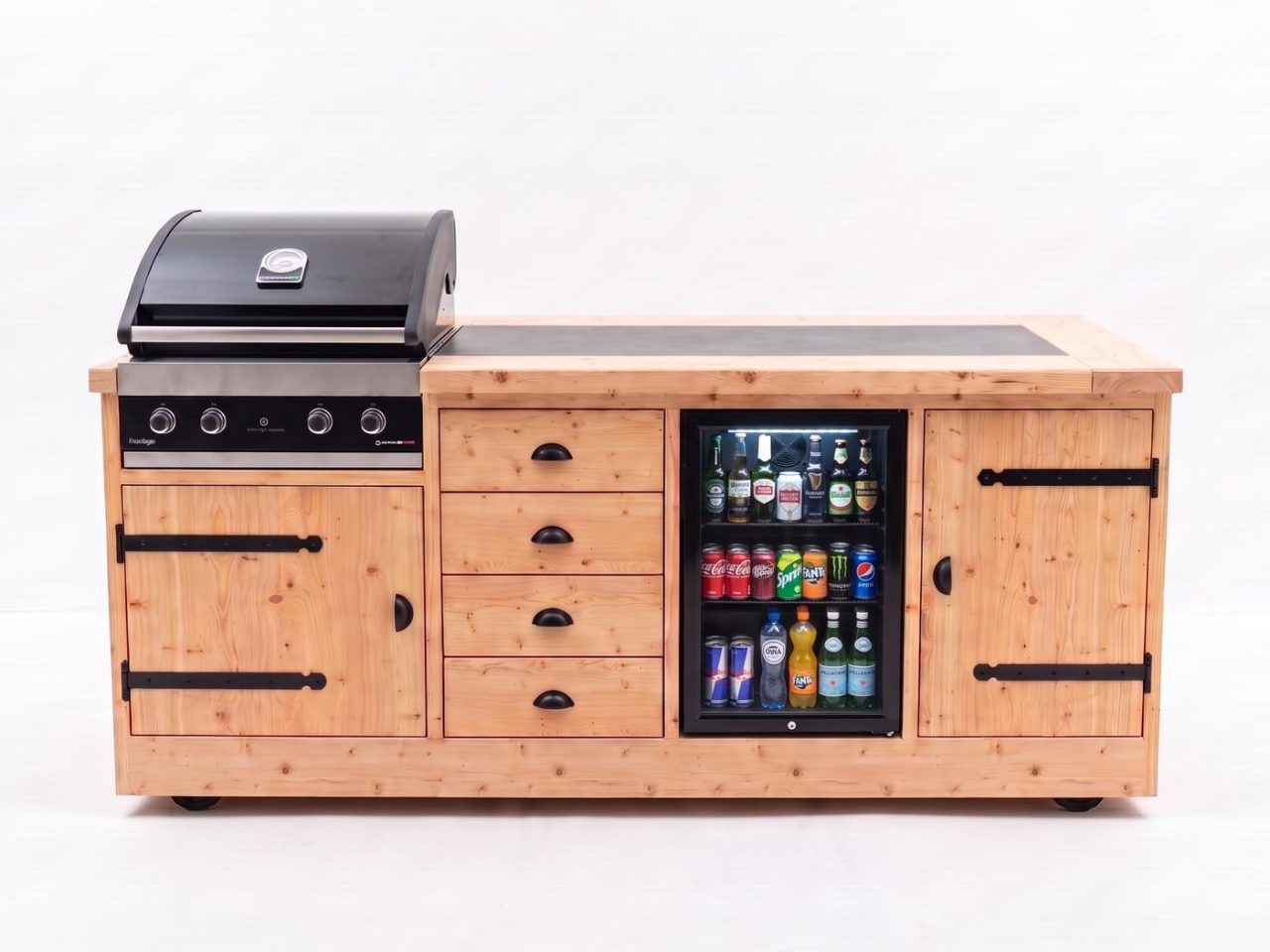
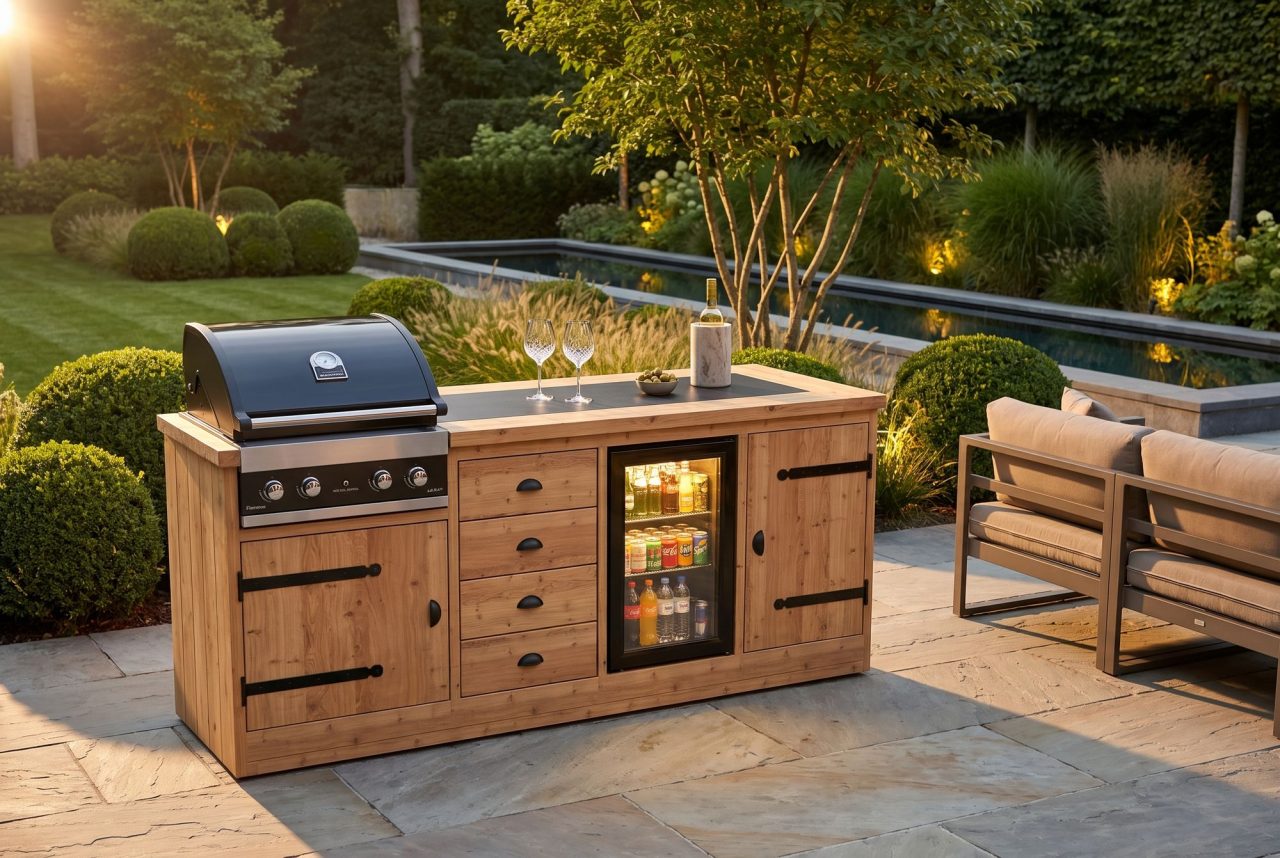
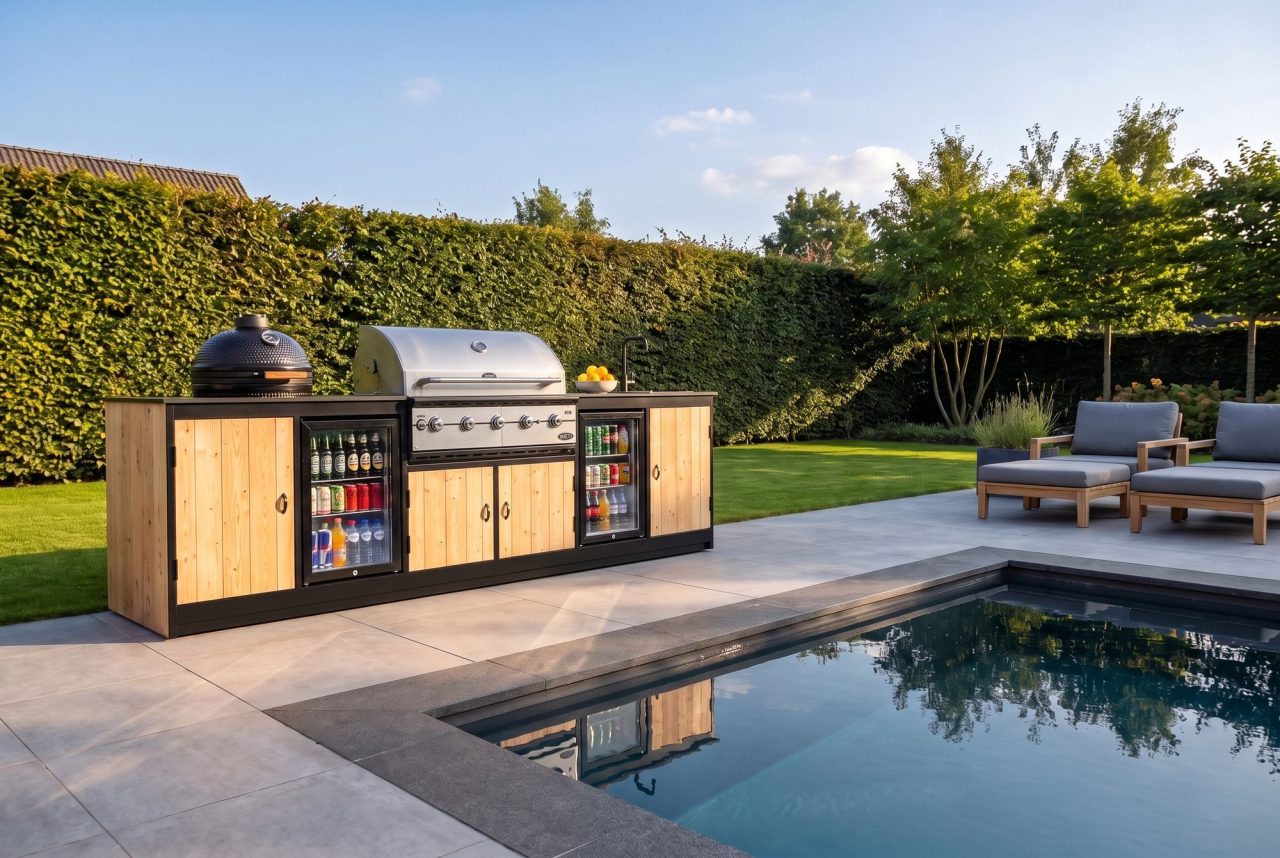
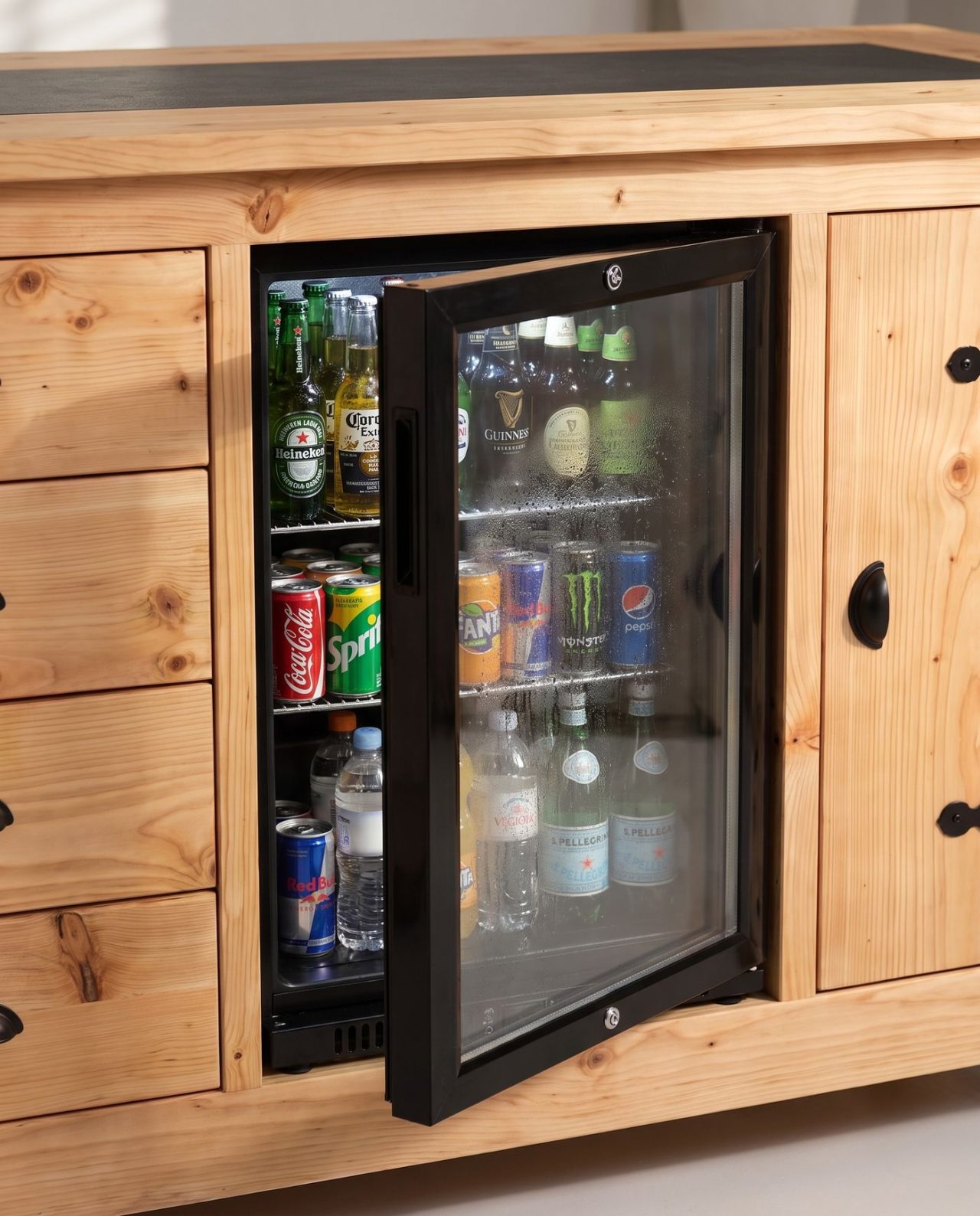
Cooking with gas gives you more power in your outdoor kitchen and more freedom over where the kitchen goes. Cooking with electricity is quieter and quicker to clean. And what about the costs? Propane from a gas bottle works out at around 20 cents per kWh, household electricity in Germany at an average of 37 cents per kWh (as of August and September 2026). Per evening of cooking, that makes a difference of about 30 cents. The decision therefore depends mainly on your situation: do you have a power supply outside, how close are the neighbours and what kind of cook are you?
What does cooking with gas cost compared with electricity?
Cooking with bottled gas is cheaper per kilowatt hour than cooking with electricity, but the gap per evening stays small. One kilo of propane contains 12.87 kWh of energy (net calorific value), according to the LPG suppliers Progas and Rheingas. A refill of the 11 kg exchange bottle costs 28.20 euros at the German DIY chain Hornbach (online shop, 14 September 2026). So this one bottle delivers 141 kWh of heat, which is 20 cents per kWh. According to the German energy industry association BDEW's electricity price analysis of August 2026, households in Germany pay an average of 37.0 cents per kWh.
Apply that to an evening of cooking using roughly 2 kWh, a good hour of frying and grilling at medium power. With gas you come to 40 cents, with electricity 74 cents. That gives you around 70 evenings of cooking from an 11 kg bottle. If you take the smaller 5 kg refill for 14.15 euros (Hornbach, 14 September 2026), gas costs 22 cents per kWh and you get 32 evenings per bottle.
So the difference per evening is around 30 cents. With 40 barbecue evenings a year, that is 12 euros. By all means let cost play a part in your choice, but it certainly should not decide it.
The connection matters more than the price
Cooking electrically outdoors needs a serious power supply. A standard 16-amp circuit delivers a maximum of 3,680 watts. An induction hob alone takes most of that. If a fridge is on the same circuit as well, the headroom is all but gone.
So have an electrician install a dedicated outdoor circuit with sockets rated at least IP44. You need to plan and pay for that work. In an outdoor kitchen you can also have a pop-up socket fitted, so you are working entirely with fixed wiring.
An outdoor kitchen with gas makes you independent of all that. You put a propane bottle in the cupboard, screw on a 50 mbar pressure regulator (in Germany the required operating pressure for barbecues and garden appliances under the Technical Rules for LPG, TRF, and DVGW worksheet G 612) and cook wherever you like in the garden.
Two points come with it. Make sure the cupboard has ventilation openings at the bottom, because propane is heavier than air and must be able to escape downwards if there is a leak. And replace the gas hose and pressure regulator no later than 10 years after the date of manufacture, as DVGW worksheet G 612 requires for LPG appliances used for leisure.
Flavour and feel
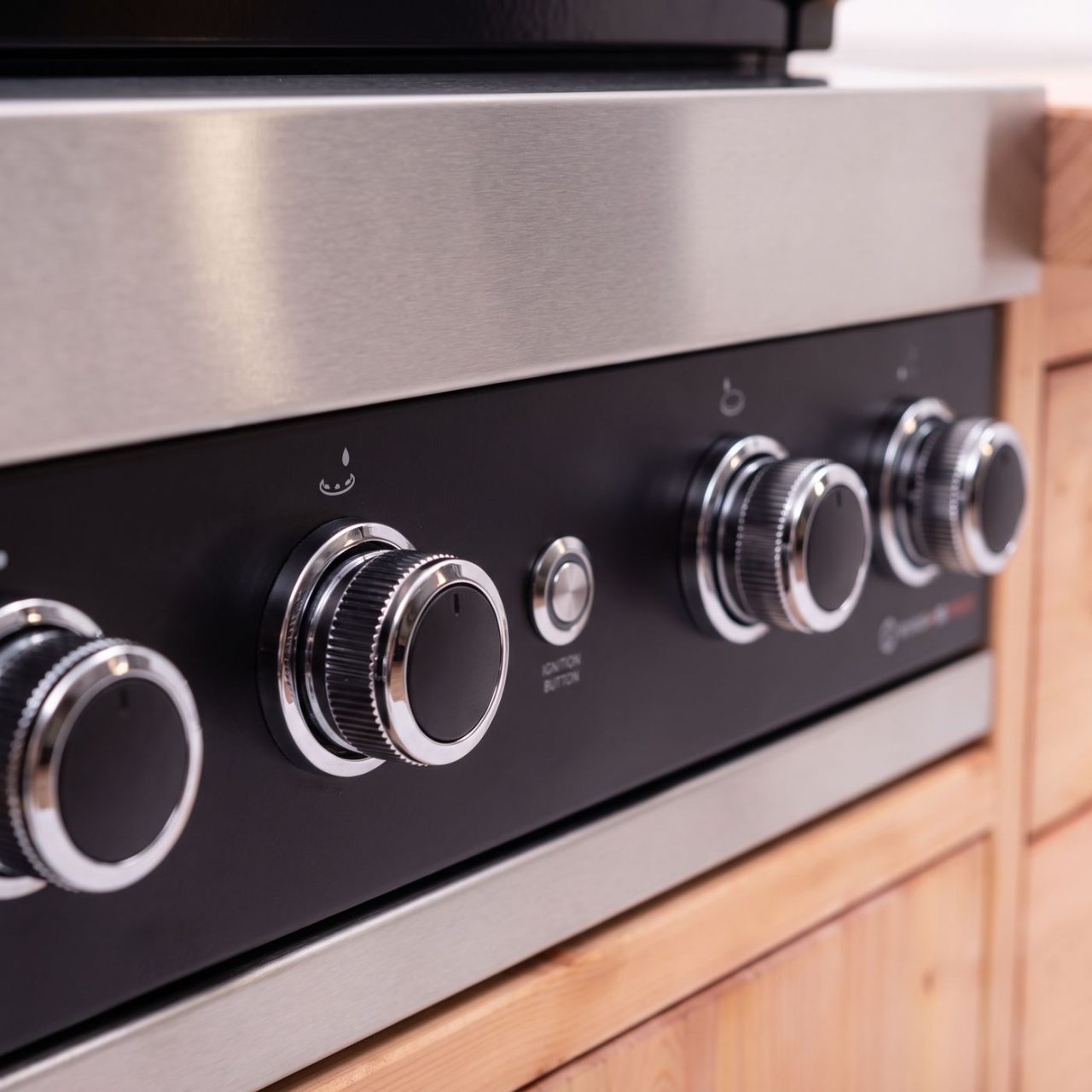
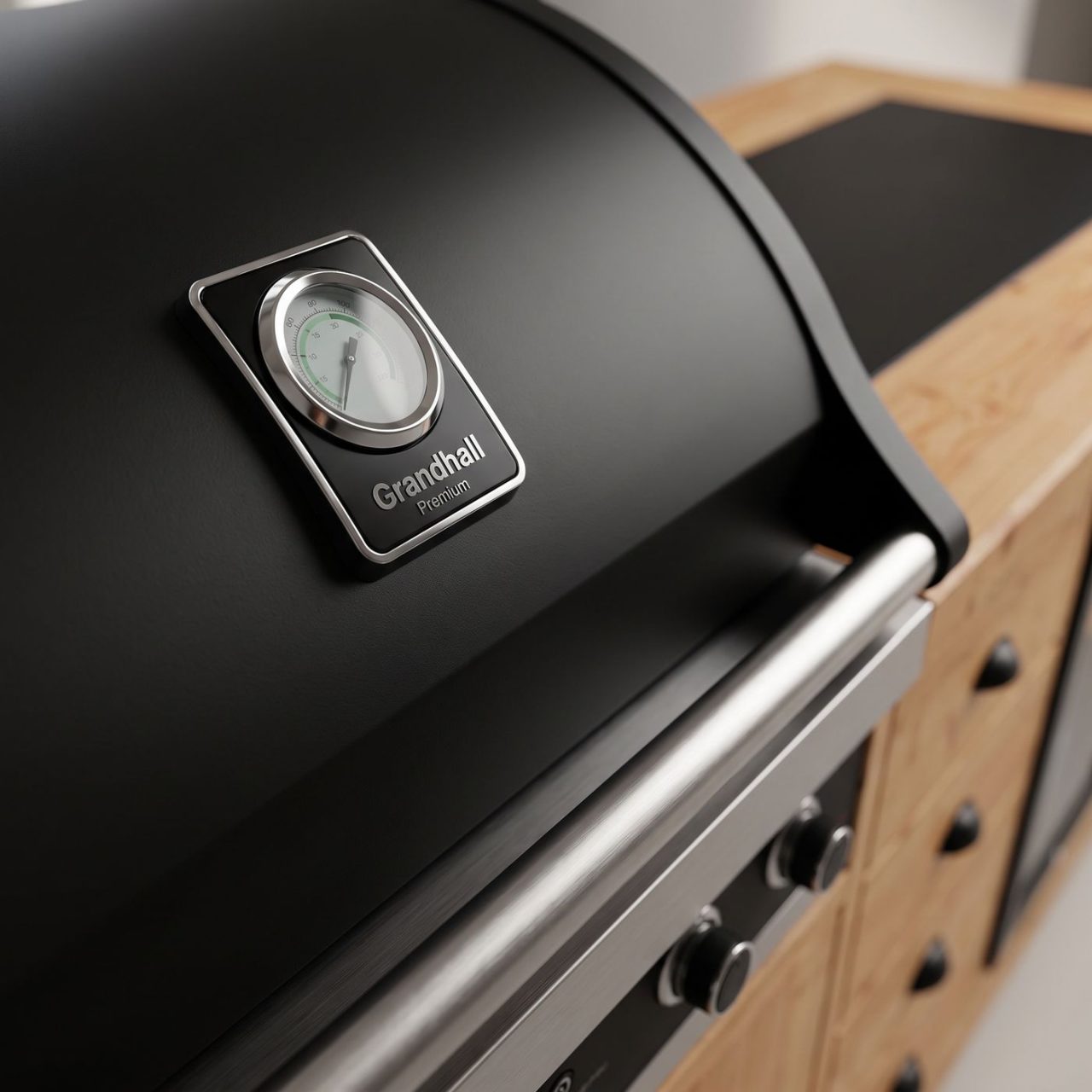
When it comes to flavour and the feel of cooking, gas wins. For most outdoor cooks, at least, and we count ourselves among them. You see the flame, you adjust the power steplessly, a gas burner responds instantly, and a built-in gas grill from Grandhall or Boretti reaches temperatures at which a steak really gets a crust. Incidentally, that typical smoky aroma comes from fat and meat juices vaporising on the hot burner. If you want real smoke, put wood chips on the charcoal in a kamado.
Induction has other strengths. The hob responds just as quickly as gas, holds a sauce at exactly 60 degrees and wipes clean with a cloth. Do you rarely grill but cook a lot with a wok and a frying pan? Then, honestly, cooking electrically is the more pleasant choice.
When should you choose electric?
An electric outdoor kitchen suits a small garden, a balcony or closely spaced houses best. You produce less smoke and fewer smells, and the neighbours stay friends. If you rent, check your tenancy agreement and house rules first: in Germany, according to the German Tenants' Association (Deutscher Mieterbund), a balcony barbecue ban applies equally to charcoal, gas and electric grills. Where there is no such clause, grilling is allowed as long as the neighbours are not bothered by smoke. An electric grill with aluminium trays is the most neighbour-friendly option.
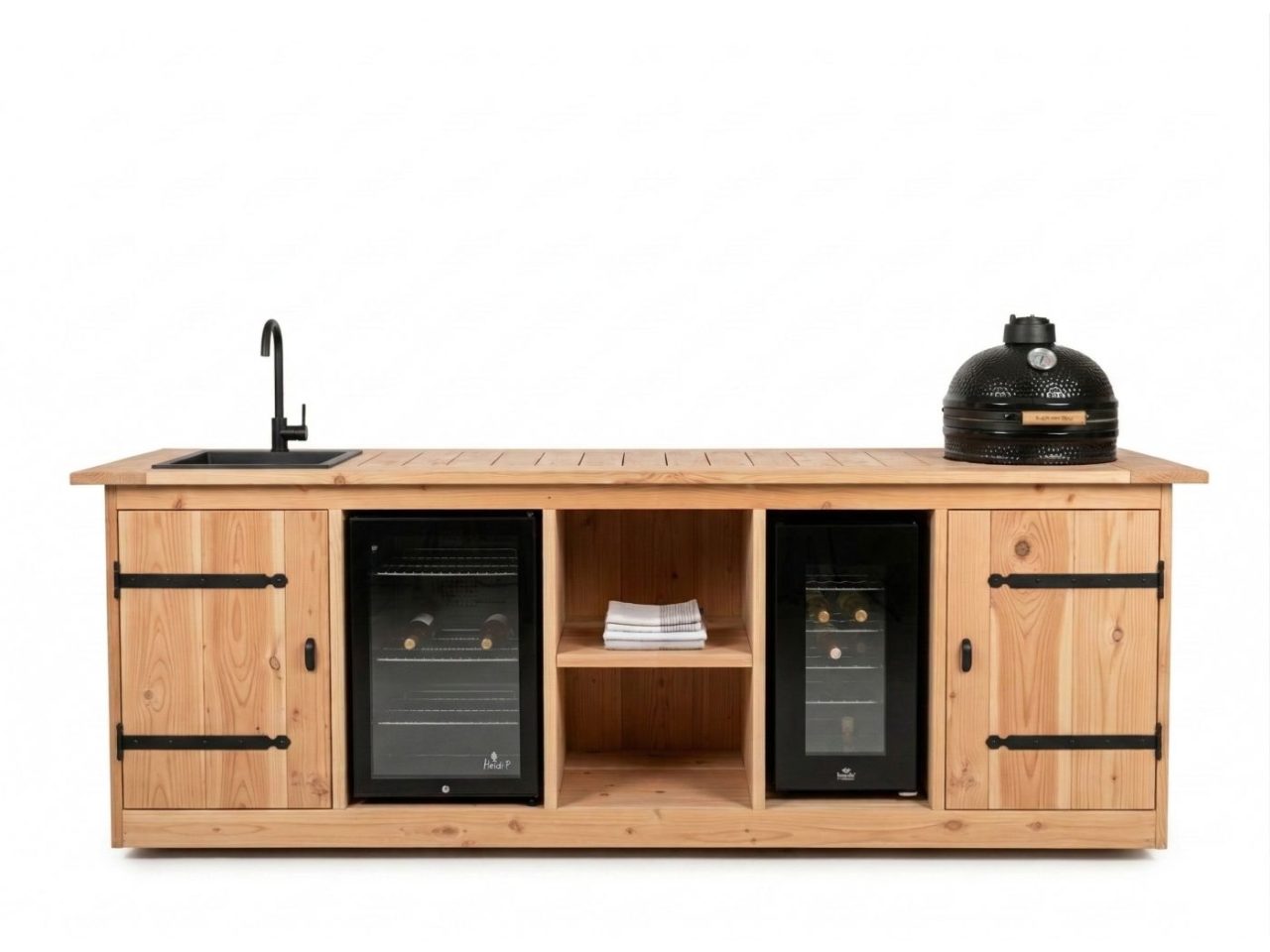
There is something else, too: if you want a fridge in your outdoor kitchen, you will be running power out anyway. Take a critical look at consumption while you are at it, because there is a catch. A small 35-litre fridge uses 445 kWh a year, while a larger 52-litre model with compressor cooling makes do with 321 kWh. At the current electricity price, that is 165 euros versus 119 euros a year.
So here bigger really is more economical. Sounds odd, but it is true.
When should you choose gas?
Choose an outdoor kitchen with gas as soon as power is far away or you want maximum freedom. Bottle in the cupboard, connect it, cook. It is that simple.
For winter grillers, too, propane is the reliable choice: according to Tyczka Energy, it vaporises down to minus 42 degrees Celsius. Butane only vaporises reliably at temperatures above 0 degrees. In Germany you can get propane in 5 kg and 11 kg bottles, either as a grey bottle you own or as a red deposit bottle that you swap empty for full at a petrol station or DIY store. The 5 kg bottle fits in the kitchen cupboard. If the kitchen is on castors, you can move the entire cooking island, bottle and all.
Or simply have both
You do not have to choose at all. In the configurator you can combine a gas hob or gas grill with an induction hob in the same kitchen. The standard models come in five widths from 109 to 301 cm, and the cut-out in the worktop can be up to 60 cm, enough for almost any built-in appliance. That way you grill on gas and reduce your sauce on induction, at the same time, two metres apart.
Frequently asked questions
Is an electric outdoor kitchen cheaper to run than gas?
An electric outdoor kitchen is slightly more expensive to run than an outdoor kitchen with bottled gas. Electricity in Germany costs an average of 37.0 cents per kWh (BDEW, August 2026), propane from an 11 kg bottle the equivalent of 20 cents per kWh. For an evening of cooking using 2 kWh, that is a difference of around 30 cents. The connection costs differ more clearly: an outdoor circuit installed by an electrician costs more than a gas bottle in the cupboard.
How many evenings of cooking does a 5 kg gas bottle last?
A 5 kg gas bottle lasts about 32 evenings of cooking at 2 kWh each, a good hour of cooking at medium power. Propane contains 12.87 kWh of energy per kilo, so a full 5 kg bottle delivers around 64 kWh. If you often grill at full power or with several burners at once, reckon on 15 to 25 evenings per bottle.
What connection does an electric outdoor kitchen need?
An electric outdoor kitchen needs its own 16-amp outdoor circuit, good for a maximum of 3,680 watts. An induction hob, fridge and lighting together quickly approach that limit. Choose outdoor sockets rated at least IP44 and leave the installation to an electrician. A pop-up socket in the worktop keeps cables neatly out of the way.
Can the gas bottle go in the outdoor kitchen cupboard?
A gas bottle may be kept in your outdoor kitchen cupboard, provided the cupboard has ventilation openings at the bottom. Propane is heavier than air and sinks to the ground if there is a leak, so the gas must be able to escape from the bottom of the cupboard. Always stand the bottle upright, close the valve after cooking and keep the bottle out of direct sun.
Am I allowed to barbecue on my balcony?
You may barbecue on your balcony if your tenancy agreement and house rules allow it. In Germany, according to the German Tenants' Association, a barbecue ban there applies equally to charcoal, gas and electric grills. Where there is no clause, grilling is allowed as long as the neighbours are kept free of smoke and soot. An electric grill or an induction hob with a griddle pan is the lowest-smoke solution.
What should you look for when buying an outdoor kitchen?
When buying an outdoor kitchen, look first at the energy source (gas, electric or both), then at size, material and what an outdoor kitchen costs. Measure your space: the standard widths range from 109 to 301 cm. Choose a wood that holds up outdoors, such as planed and dried Douglas fir, and decide which built-in appliances you will really use, from the kamado to the fridge.