

The quickest way to clean your grill is straight after cooking, while the grate is still warm. That way you can brush off grease and residue in two minutes. The right method depends on the material: a stainless steel grate can go in the washing-up water, you brush cast iron out dry, and you clean a ceramic kamado by burning it off. Here you'll find what works for each type of grill and each part, with which products and how often. Few people enjoy it. But if you keep on top of it, you're done in a few minutes each time.
How to get your grill grate looking like new again
You can get a crusted grill grate looking like new again with a soda bath: dissolve 3 tablespoons of washing soda in a bucket of 5 litres of warm water and leave the grate to soak in it for 30 to 60 minutes. Then scrub it with a brush and rinse. For stubborn spots, a paste of bicarbonate of soda and a dash of household vinegar in a ratio of about 1 to 1 helps; let it fizz briefly, then scrub.
The material determines what else you can do. A stainless steel or chrome-plated steel grate can handle washing-up water, soda and vinegar. Dry it afterwards to avoid limescale marks.
Look after cast iron dry, because washing-up liquid and a soda bath dissolve the baked-on protective layer, and then the iron rusts. It's enough to brush it out while warm and rub it with a thin layer of sunflower oil after each use. If the layer does get damaged, re-season it by placing the grate in the grill with a wafer-thin film of oil for an hour at 180 degrees.
Clean an enamelled grate with a soft sponge, warm water and a gentle brush. Scratches in the enamel let the steel underneath rust, so the wire brush stays in the cupboard.
If you use a wire brush on stainless steel, check it for loose bristles first. A broken bristle that gets stuck on the grate will otherwise end up in your food.
Burning off the grill
Burning off means running the grill with the lid closed at 250 to 300 degrees for 20 to 30 minutes; the grease residue carbonises and you brush it away. For ceramic grills such as a kamado, whether a Big Green Egg, Kamado Joe or Monolith, it's the simplest method, because ceramic should stay dry.
There's a limit. With regular use, burn off a ceramic grill no more than four times a year. Burning it off more often can damage the ceramic. Also empty the ash drawer every few barbecue evenings. A full ash drawer chokes the air supply, your kamado struggles to come up to temperature, and at your next evening of kamado recipes you'll be standing at a grill that simply stays sluggish.
Cleaning the gas grill
With a gas grill, start by closing the valve on the gas bottle and disconnecting it. Weber also recommends this as the first step. Then work from top to bottom:
-
Take out the grate and clean it separately. Stainless steel can go in the washing-up water; brush cast iron out dry and oil it.
-
Brush the flame tamers (on a Weber: Flavorizer Bars) and the burners dry and check that the ports are clear. A blocked burner gives an uneven flame.
-
Empty the grease tray and wash it out with warm water and washing-up liquid. This step matters most for safety: Weber recommends cleaning or replacing the grease tray regularly, because accumulated grease can catch fire.
-
Wipe the outside with a damp cloth, following the direction of the grain on stainless steel.
The same steps apply to a Weber, a familiar sight in many gardens. Weber gives a fixed routine for it. Clean the gas grill on the outside once a month and on the inside every three months, using the appropriate grill cleaner on the enamel and exterior parts. With the lid closed, a gas grill preheats in 10 to 15 minutes, so a quick burn-off before grilling hardly costs any time.
The inside of the grill
Almost everyone forgets the inside (we used to as well), yet that's exactly where grease bakes onto the walls and lid. Scrape off loose flakes of grease with a plastic scraper. With a steel kettle you can then go in with washing-up water and a brush, and dry it well afterwards. With a ceramic kamado, stick to dry brushing and burning off, because water and cleaners soak into the porous ceramic.
Incidentally, the dark coating on the inside of the lid is carbonised grease, which many people mistake for peeling paint. If it flakes, scrape it off. It's harmless, but otherwise it ends up on your food.
What is the best degreaser for the grill?
The best degreaser for the grill comes from the household cupboard: washing soda, bicarbonate of soda and household vinegar dissolve grease just as well as a spray bottle of grill cleaner, and you only rinse harmless residue into the garden. If you do reach for a ready-made cleaner, choose one approved for food-contact surfaces and rinse the grate thoroughly afterwards. Look after cast iron with oil and heat only; that's all the maintenance it needs.
Worktop and outdoor kitchen
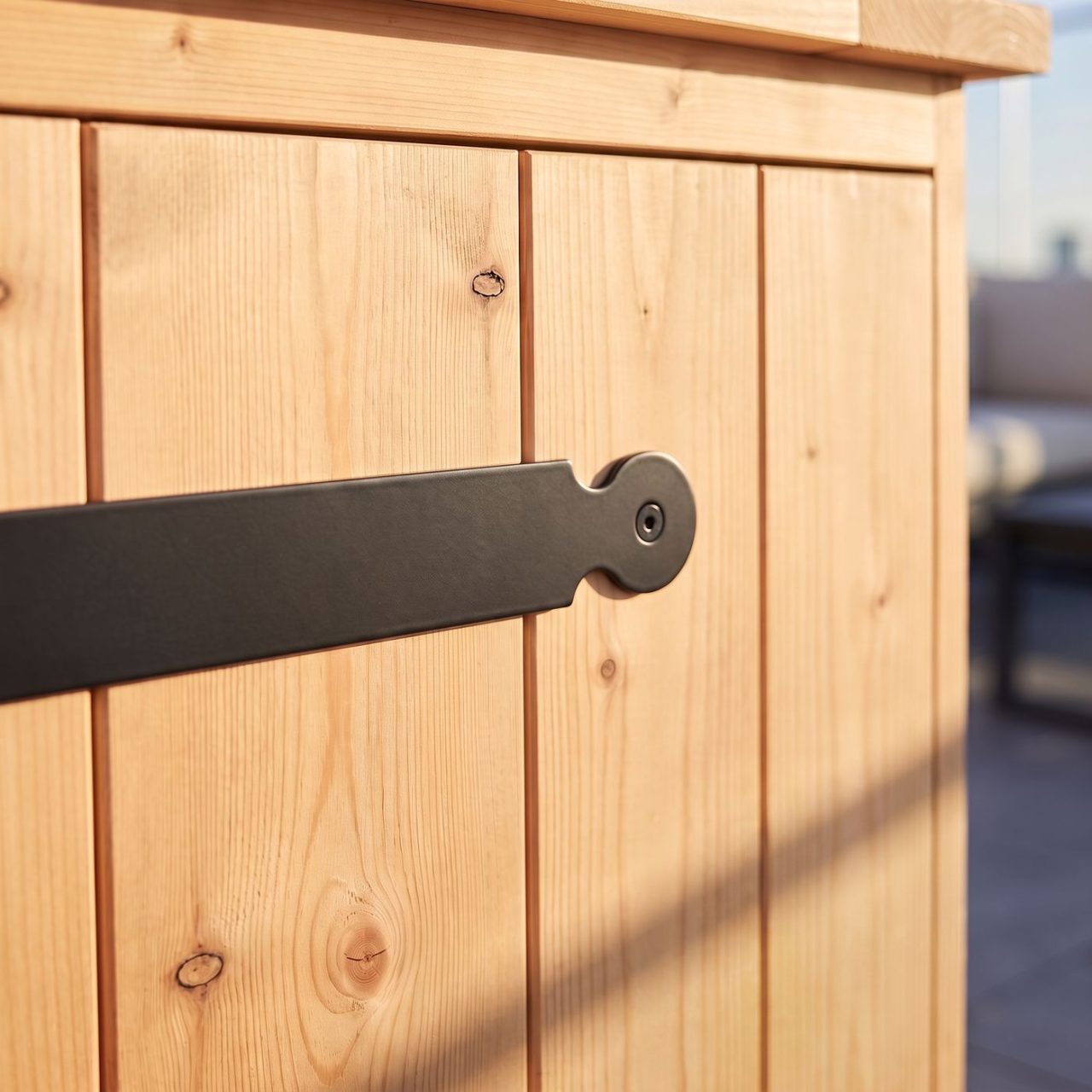
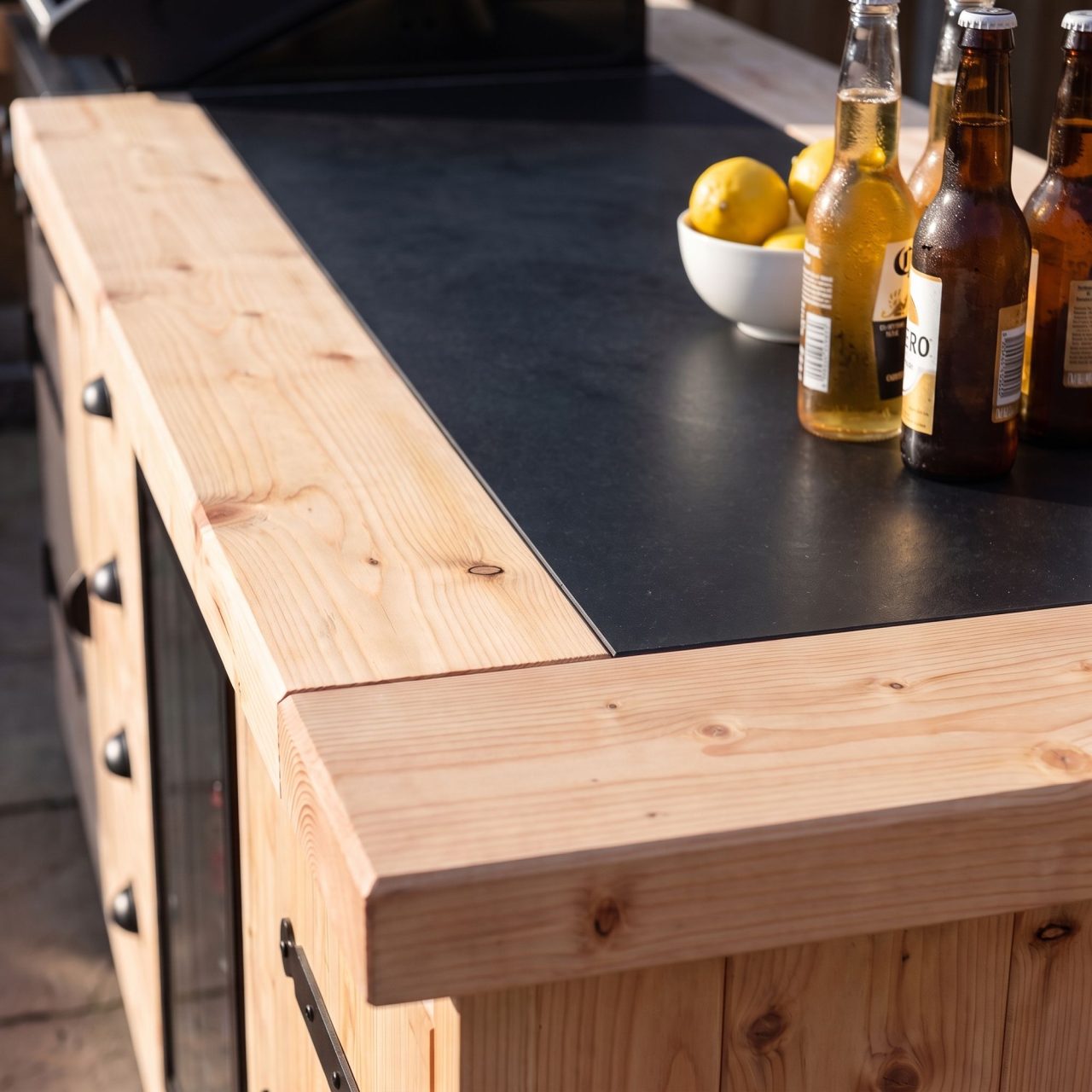
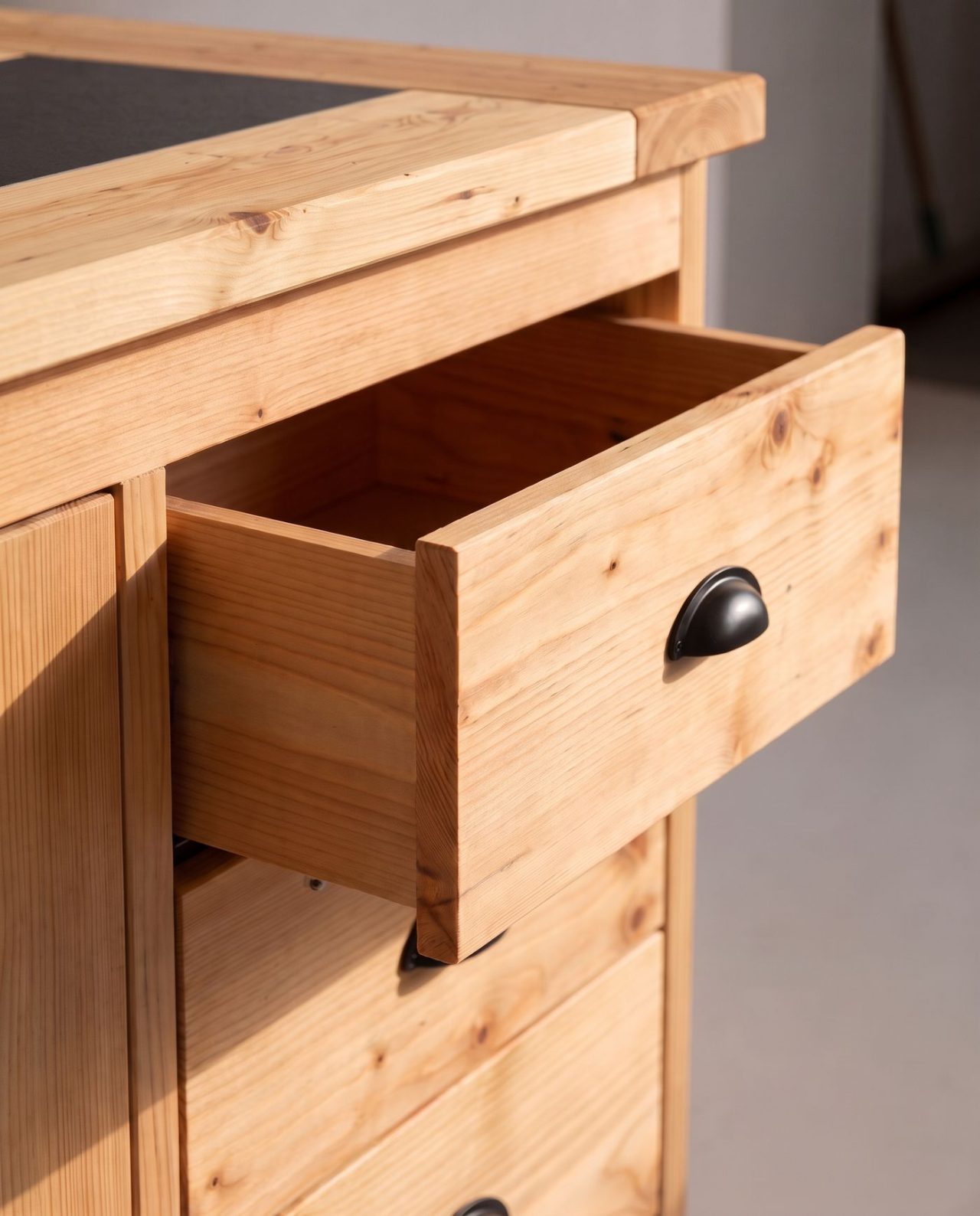
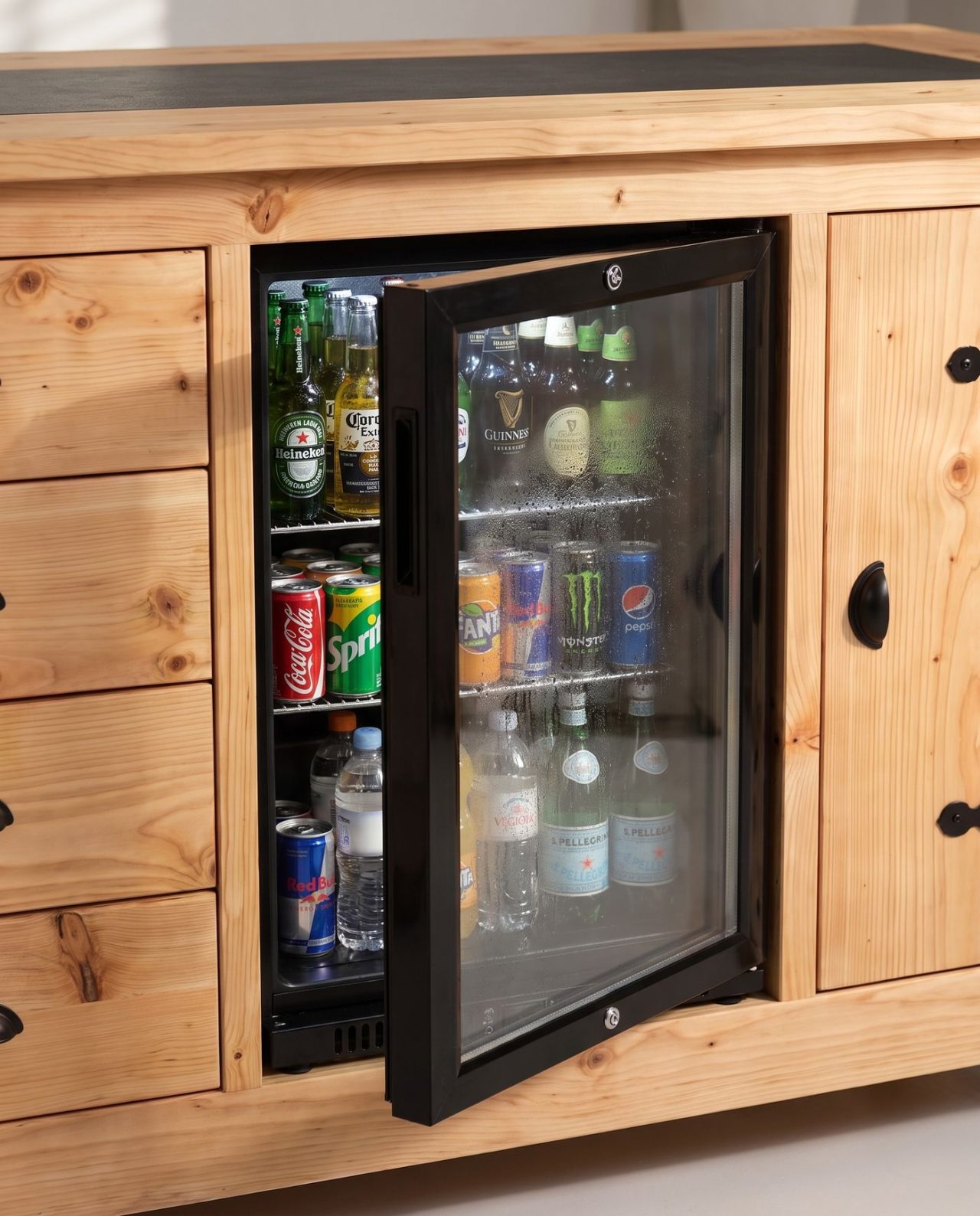
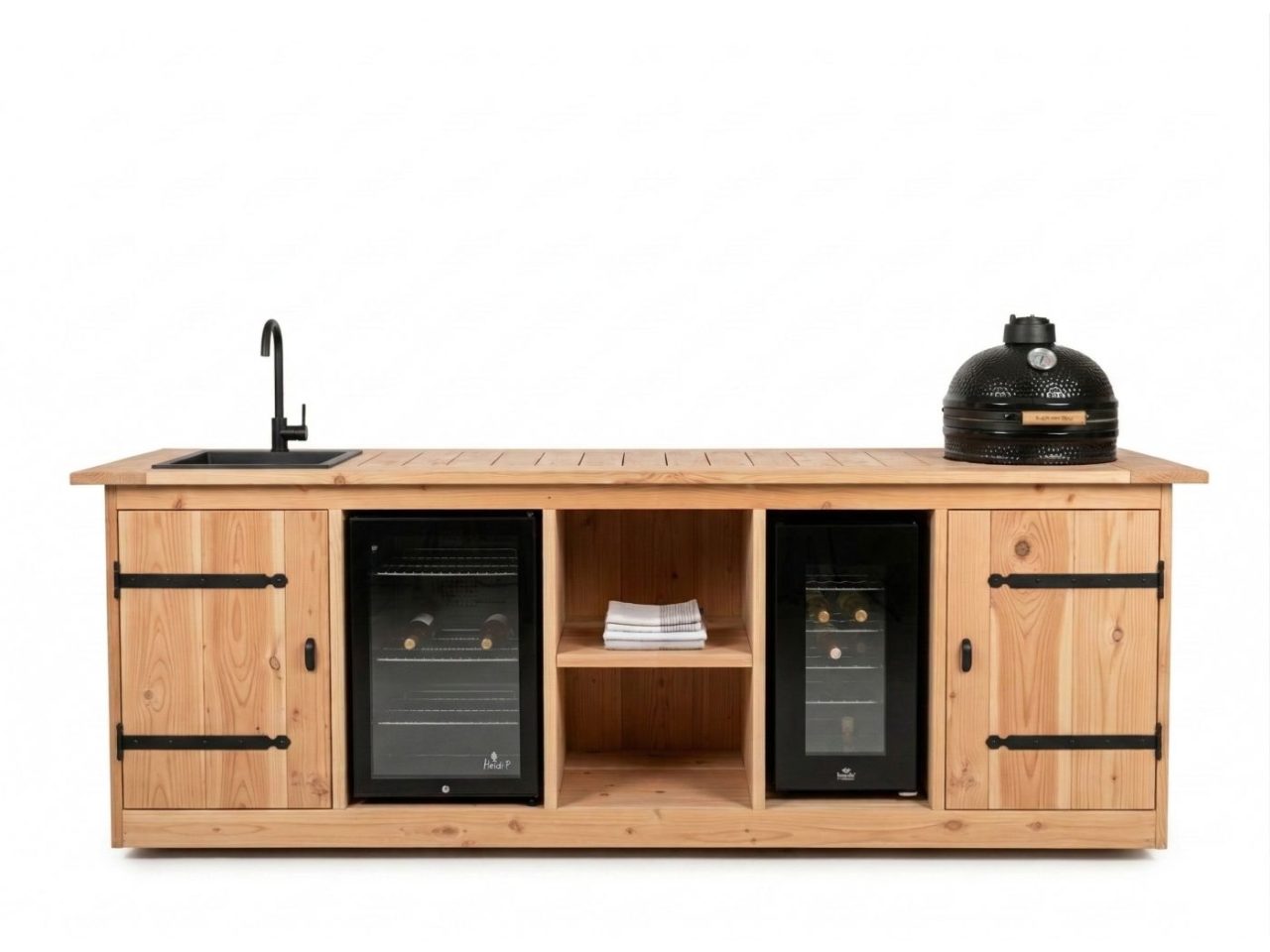
If your grill is part of an outdoor kitchen, such as an outdoor kitchen with a kamado, include the worktop in the clean-up. Wipe grease splashes on a Douglas fir worktop straight away with a damp cloth before they soak into the wood. Of the worktops in Douglas fir or sintered stone, stone is the easiest to care for: you simply wipe a 12 mm sintered stone worktop down with soapy water. On request we treat wooden worktops with a nano coating for the outdoor kitchen, so grease sticks less and a wine ring is just a brief memory.
Hygiene is part of it too. The German Federal Institute for Risk Assessment (BfR) gives clear guidance in its barbecue FAQ of June 2026. Handle raw meat and cooked food with different tongs or forks. Keep salads, barbecue sauces and dips chilled throughout, because salmonella multiply above 7 degrees. And clean utensils and surfaces that have been in contact with raw meat or marinade with warm water and washing-up liquid before using them again.
How often should you clean what?
After every barbecue evening, brush the grate out while it's warm and check the ash drawer or grease tray. Five minutes' work. Once a month, with regular use, comes the thorough round: soak the grate, scrape the inside, wash the grease tray.
And at the start and end of the season, tackle everything, including burners, thermometer and cover, as a regular part of caring for your outdoor kitchen. That way a good grill lasts for decades. Let it slide for a summer and you'll know exactly why your food suddenly tastes bitter.
Frequently asked questions
How do you clean a grill grate with soda?
You clean a grill grate with soda by dissolving 3 tablespoons of washing soda in 5 litres of warm water and soaking the grate in it for 30 to 60 minutes. Then scrub with a brush and rinse. For baked-on spots, mix a paste of bicarbonate of soda and household vinegar. Brush cast iron grates out dry and oil them afterwards; the soda bath is reserved for stainless steel and chrome steel.
How often should you burn off a grill?
With regular use, burn off a ceramic grill such as a kamado no more than four times a year, at 250 to 300 degrees with the lid closed. Burning it off more often can damage the ceramic. You can briefly burn off a steel or cast iron grill before every barbecue evening to loosen residue. Weber recommends exactly that, followed by brushing the grate while it's still hot.
Which grill grates can go in the dishwasher?
Stainless steel and enamelled grates can go in the dishwasher, although a soda bath works better on baked-on grease and keeps the machine clean. Always clean cast iron by hand, as Weber also puts it, because the dishwasher strips the protective layer and the grate then rusts. The dishwasher is the right place for tongs and skewers.
How do you clean the inside of a Weber grill?
You clean the inside of a Weber by scraping off loose grease with a plastic scraper and then washing out the kettle with soapy water. Use mild products or the appropriate Weber grill cleaner, because enamel and stainless steel need gentle care. Also empty the ash drawer and grease tray regularly. Weber recommends cleaning the inside every three months.
How do you get rust off a grill grate?
You remove rust from a grill grate by scrubbing it back to bare metal with a wire brush or scouring pad. Then re-season cast iron with a wafer-thin film of oil for an hour at 180 degrees. If the rust keeps coming back, store the grate somewhere dry, such as in your outdoor kitchen cabinet, and lightly oil it after every use.